What we carry
General freight is the backbone of what we do: palletised goods, cartons, drums, packaged building products, retail stock and machinery parts. If it fits on a pallet or straps to a deck, we move it.
Most general freight travels on tautliners and curtainsiders, which load from the side as well as the rear. That matters more than people expect — it means a forklift can work the trailer at a site with no dock, and it means a half-load can be broken out without unpacking everything behind it.
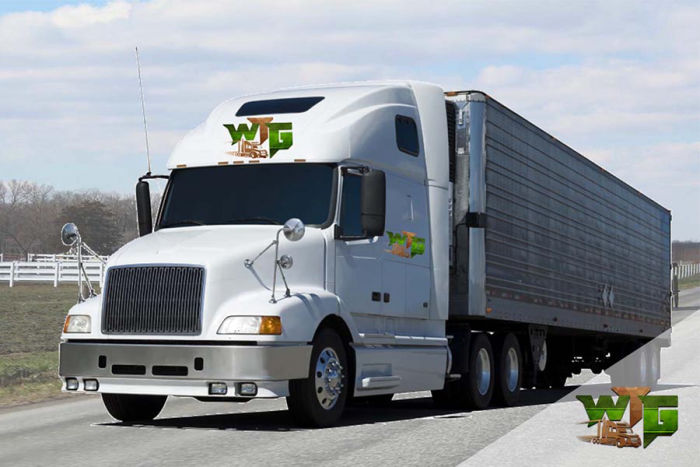
Equipment we run it on
- Single tautliners — the default for metro and regional palletised runs
- B-double tautliners — bulk moves and linehaul where volume justifies the extra deck
- Flat tops and drop decks — anything that will not fit a curtain, or needs crane access from above
- Tilt trays and utes — single-item and light freight where a semi is the wrong tool
How we price it
General freight is quoted on the space and weight it occupies and the distance it travels, not on a blanket per-kilo rate. Tell us the pallet count, the heaviest single item, and whether either end has a forklift, and the quote will be accurate rather than indicative.
Where you have regular volume on a predictable lane, a scheduled run almost always beats booking ad hoc. Ask us to price both.
Where the delays actually come from
In our experience the three things that most often push a general freight job late have nothing to do with the truck: a site with no unloading equipment, a delivery window nobody confirmed with the consignee, and freight that turns out to be heavier or taller than the booking said. All three are solvable at the quoting stage if we know about them.
Frequently asked
Yes. Single-pallet and part-load freight is routine work for us, both on metro runs and consolidated onto linehaul.
Yes, but tell us before we quote. We will send a vehicle with a tail lift, a tilt tray or a truck-mounted crane instead of a standard trailer.
We do, and for regular lanes they are usually cheaper and more reliable than ad hoc bookings because the capacity is already allocated.